Scene 'O' Skin

Blog

Your blog category

Blog

Acne Scar removal

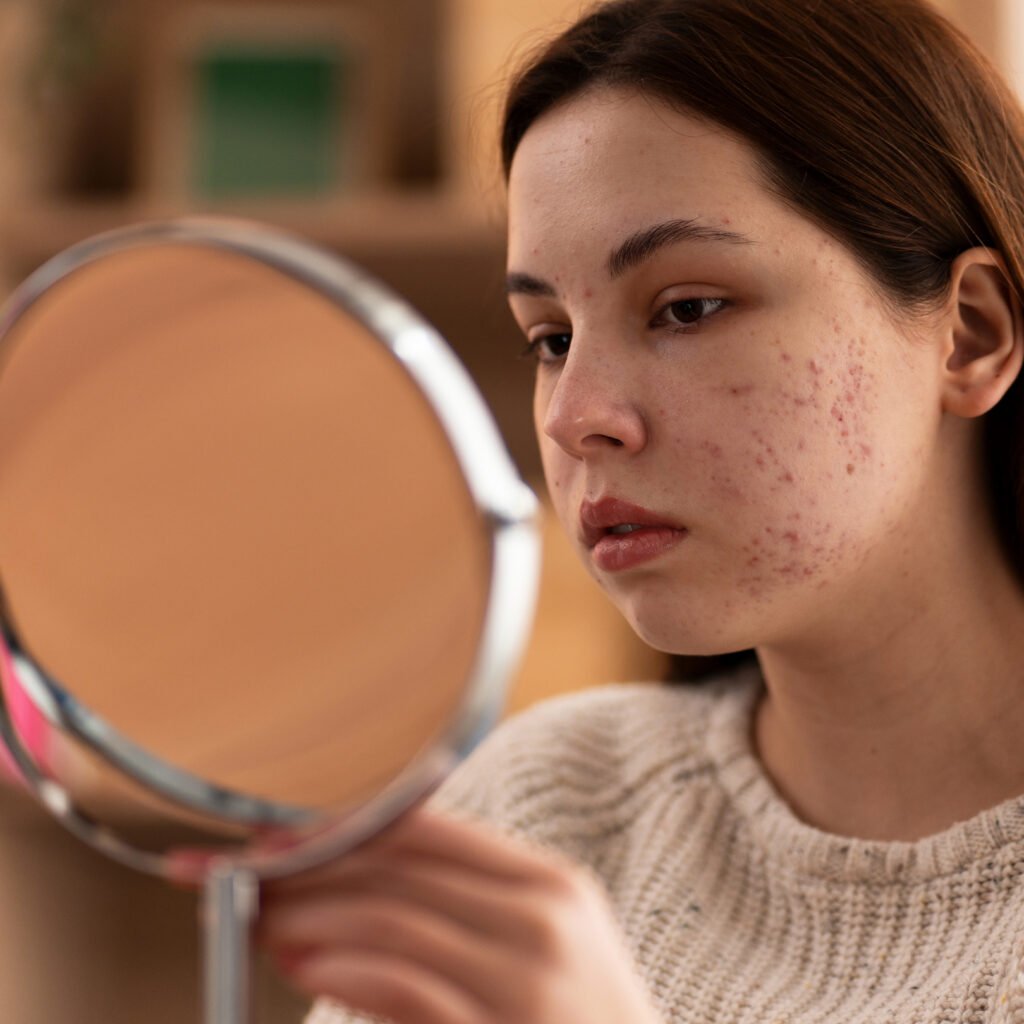
Acne Scars Won’t Disappear Overnight—But They Don’t Have to Stay Forever Most people think the hardest part of acne is dealing with the breakouts themselves. But for many, the real frustration begins after the pimples are gone. You finally manage to control your acne, only to find yourself staring at the reminders it left behind—small dents, uneven texture, dark marks, or scars that seem impossible to get rid of. No matter how much makeup you use or how many “miracle” products you buy, the scars often remain. At SceneoSkin, we meet countless people who say the same thing: “My acne is gone, but my skin still doesn’t look the way it. The good news? Acne scars can be treated, and today’s advanced treatments offer much better results than most people realize. used to.” Why Do Acne Scars Happen? When acne becomes inflamed, it can damage the deeper layers of the skin. As your skin heals, it produces collagen to repair the area. Sometimes too little collagen is produced, creating small depressions or pits. Other times, excess collagen forms raised scars. This is why acne scars don’t look the same for everyone. Some people develop tiny marks that fade over time, while others experience deeper scars that become more noticeable with age. Not Every Mark Is Actually a Scar This surprises a lot of people. The dark or red spots left after a breakout are often mistaken for scars. In reality, many of these marks are temporary discoloration and can gradually fade. True acne scars affect the texture of the skin. You may notice: Small pits or holes Uneven skin texture Depressed areas Raised bumps Visible indentations under certain lighting Understanding the difference helps determine the most effective treatment. Why Most Creams Don’t Work on Acne Scars If you’ve spent months trying scar-removal creams, you’re definitely not alone. The challenge is that acne scars usually develop beneath the surface of the skin. Most topical products can improve skin quality and pigmentation, but they often cannot rebuild the deeper structural changes that create scars. That’s why professional treatments are often recommended for noticeable acne scars. The Emotional Side of Acne Scars Acne scars aren’t just a skin concern. Many people feel self-conscious in photographs, avoid going makeup-free, or constantly focus on certain areas of their face. It’s easy for others to say, “Nobody notices them.” But when you see them every day in the mirror, they can affect how you feel about your appearance. That’s why acne scar treatment isn’t about achieving perfection. It’s about helping you feel more confident and comfortable in your own skin. Modern Acne Scar Treatments: What Actually Helps? The best treatment depends on the type and severity of your scars. At SceneoSkin, treatment plans are customized because no two skin journeys are exactly alike. Some commonly recommended options include: Microneedling This treatment stimulates the skin’s natural healing process and encourages collagen production, helping improve texture over time. Laser Treatments Advanced laser technology can help resurface the skin and reduce the appearance of acne scars by promoting new skin regeneration. Chemical Peels Certain peels help improve skin texture, brighten the complexion, and reduce the appearance of post-acne marks. Combination Treatments Many patients achieve the best results through a personalized combination of treatments designed specifically for their skin concerns. How Long Does It Take to See Results? One of the most important things to understand is that acne scar treatment is a process. Scars that took months or years to develop won’t disappear after a single session. Most improvements happen gradually as the skin produces fresh collagen and renews itself. The good news is that many people begin noticing smoother texture and healthier-looking skin as treatment progresses. Can Acne Scars Be Removed Completely? This is probably the most common question people ask. The honest answer is that every scar responds differently. While some scars can become significantly less noticeable, the goal is usually improvement rather than perfection. Modern treatments can often soften scars, improve skin texture, and create a smoother overall appearance. Even a noticeable reduction can make a dramatic difference in how your skin looks and feels. The Earlier You Start, the Better Many people wait years before seeking treatment because they assume nothing can be done. In reality, early intervention often provides better results and prevents scars from becoming more difficult to treat. If acne is still active, addressing it early can also help reduce the chances of new scars developing. Your Skin Has the Ability to Heal Acne scars can feel permanent, but that doesn’t mean you’re stuck with them forever. With the right diagnosis, advanced treatment options, and expert guidance, significant improvements are possible. At SceneoSkin, we believe every treatment plan should be as unique as the person receiving it. Our goal isn’t just to improve your skin—it’s to help you feel confident when you look in the mirror. Take the First Step Toward Smoother Skin If acne scars are affecting your confidence, don’t rely on guesswork or temporary fixes. Book a consultation with SceneoSkin and discover treatment options tailored specifically to your skin’s needs. Because clearer, healthier-looking skin is possible—and your journey can start today.
cosmetologist
Blog

Microneedling Radiofrequency

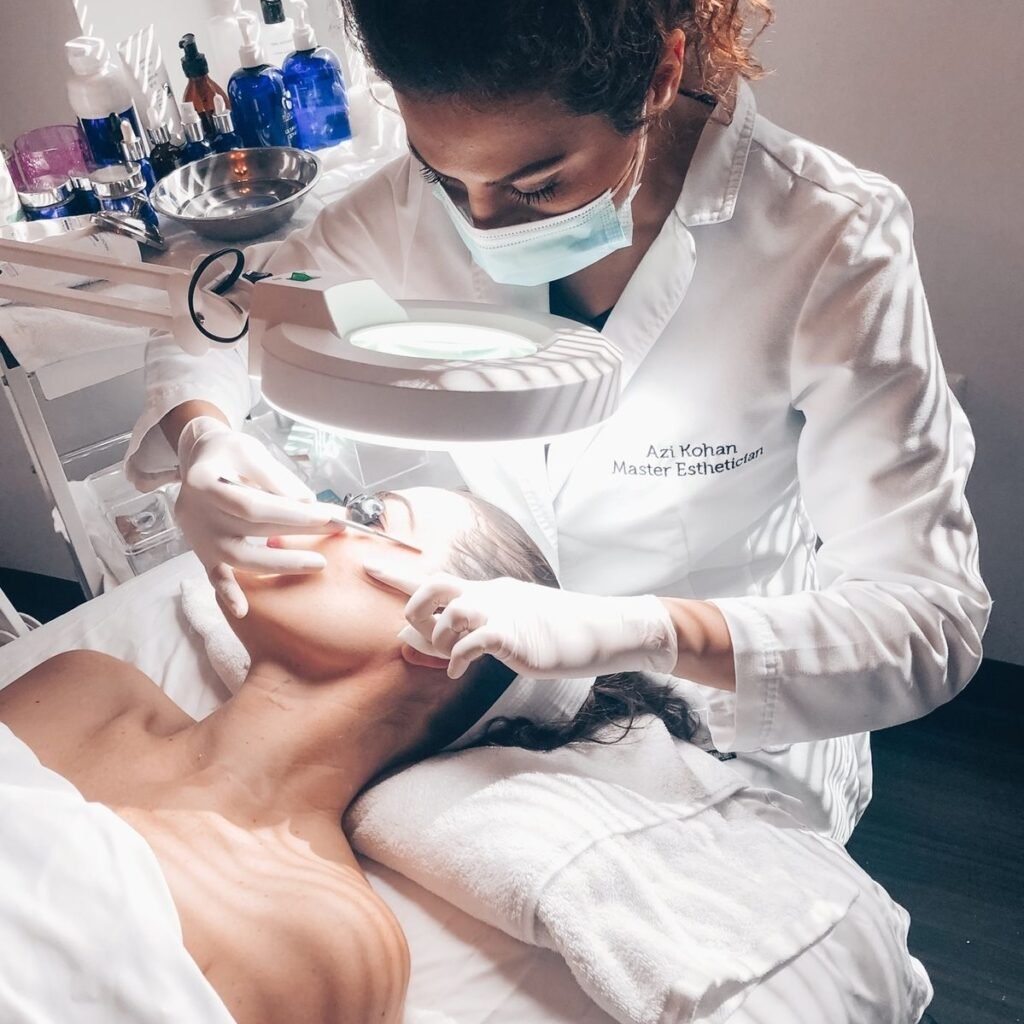
What Is MNRF (Microneedling Radiofrequency)? A Complete Guide to Healthier, Younger-Looking Skin If you’re looking for an advanced skin treatment that helps reduce acne scars, wrinkles, enlarged pores, and uneven skin texture without surgery, MNRF (Microneedling Radiofrequency) could be the perfect solution. This innovative procedure combines the benefits of traditional microneedling with radiofrequency energy to stimulate collagen production and rejuvenate the skin from within. Whether you’re struggling with signs of aging or skin imperfections, MNRF offers a safe and effective way to achieve smoother, firmer, and healthier-looking skin. MNRF, also known as Microneedling Radiofrequency, is a minimally invasive cosmetic procedure that uses tiny sterile needles to create controlled micro-injuries in the skin while simultaneously delivering radiofrequency energy into deeper layers. This dual-action technology boosts the body’s natural healing process and stimulates collagen and elastin production, resulting in tighter, smoother, and more youthful skin. Unlike traditional microneedling, MNRF reaches deeper skin layers with heat energy, making it more effective for treating scars, wrinkles, and skin laxity. How Does MNRF Work? During the treatment: A numbing cream is applied to ensure comfort. A specialized MNRF device creates tiny microchannels in the skin. Radiofrequency energy is delivered through the needles into the deeper tissues. The controlled heat stimulates collagen remodeling and skin regeneration. Over the following weeks, the skin naturally repairs itself and becomes firmer and smoother. The procedure typically takes 30 to 60 minutes, depending on the treatment area. Benefits of Microneedling Radiofrequency MNRF offers multiple skin rejuvenation benefits, including: Reduces acne scars and surgical scars Minimizes fine lines and wrinkles Tightens loose or sagging skin Improves skin texture and tone Shrinks enlarged pores Reduces pigmentation and sun damage Controls excessive oil production Stimulates natural collagen and elastin Provides long-lasting skin rejuvenation with minimal downtime What Skin Concerns Can MNRF Treat? Microneedling Radiofrequency is commonly recommended for: Acne scars Fine lines and wrinkles Open pores Uneven skin texture Mild skin laxity Stretch marks Pigmentation issues Dull and tired-looking skin Because it targets multiple concerns at once, it has become one of the most popular non-surgical skin treatments. Is MNRF Safe? Yes, MNRF is considered safe when performed by qualified professionals using approved equipment. The procedure is suitable for most skin types and has minimal downtime. Some people may experience temporary redness, mild swelling, or slight sensitivity for 24–48 hours, which usually resolves quickly. What Happens During Recovery? Recovery is generally fast compared to many laser procedures. After treatment: Mild redness may last for one or two days. Avoid direct sun exposure. Use sunscreen regularly. Keep the skin moisturized. Avoid harsh skincare products for a few days. Follow your dermatologist’s aftercare instructions carefully. Most patients can return to normal activities within 24 hours. How Many Sessions Are Needed? The number of sessions depends on your skin condition and treatment goals. Mild concerns: 3 sessions Moderate acne scars: 4–6 sessions Deep scars or advanced aging: 6 or more sessions Sessions are usually scheduled 4–6 weeks apart for optimal collagen remodeling. Who Is an Ideal Candidate? MNRF may be suitable for individuals who: Have acne scars or enlarged pores Want firmer, younger-looking skin Are experiencing early signs of aging Prefer non-surgical skin rejuvenation Want minimal downtime with effective results A professional consultation can determine whether MNRF is the right treatment for your specific skin concerns. Conclusion Microneedling Radiofrequency (MNRF) is an advanced skin rejuvenation treatment that combines precision microneedling with radiofrequency energy to stimulate collagen production and improve overall skin health. From reducing acne scars and wrinkles to tightening skin and enhancing texture, MNRF offers noticeable results with minimal recovery time. If you’re looking for a safe, effective, and non-surgical solution for healthier, smoother, and younger-looking skin, MNRF could be an excellent option to consider under the guidance of a qualified skin specialist.  

Blog

Hair Transplant

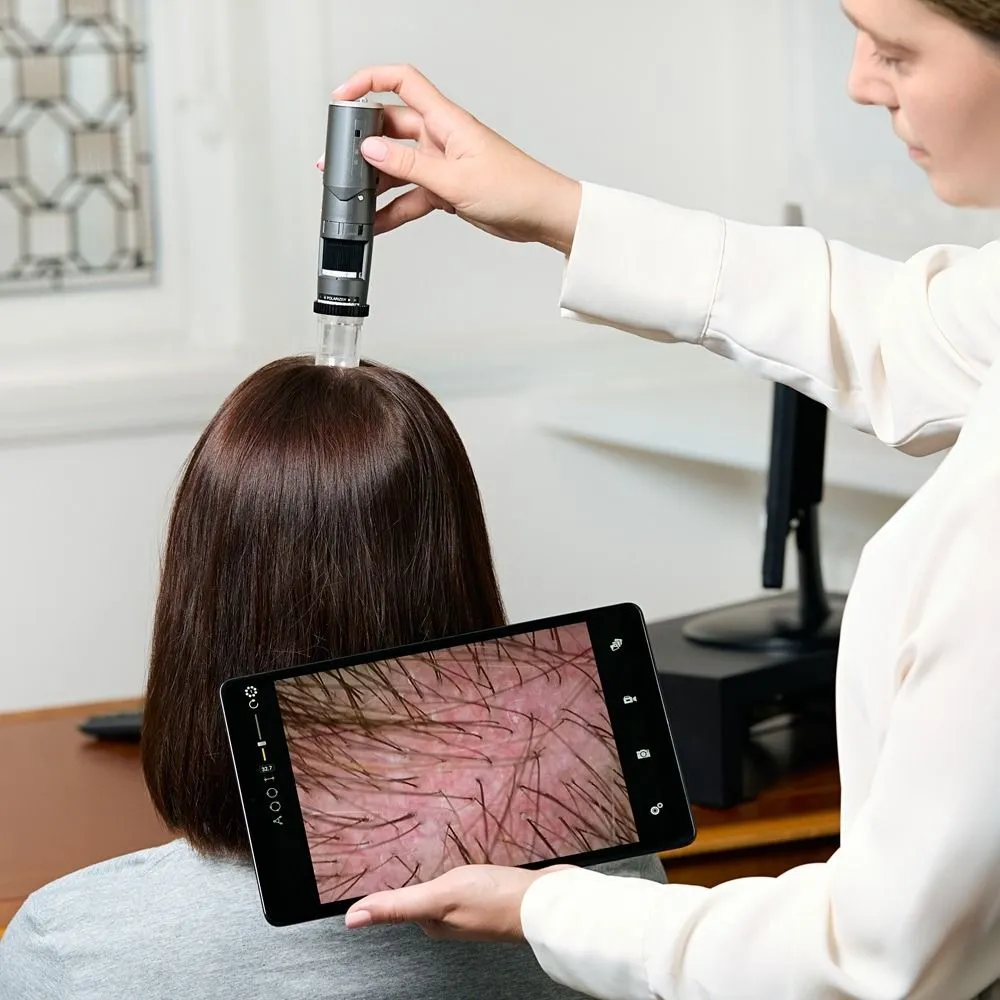
Types of Hair Transplantation Techniques A Complete Guide to Modern Hair Restoration Hair loss is a common concern that affects both men and women, often impacting confidence and self-esteem. Thanks to advancements in medical technology, hair transplantation has become one of the most effective and permanent solutions for restoring natural hair growth. However, choosing the right technique is essential for achieving the best results. In this blog, we’ll explore the different types of hair transplantation techniques, their benefits, and how to determine which option may be suitable for your needs. 1. Follicular Unit Extraction (FUE) Follicular Unit Extraction (FUE) is one of the most popular hair transplant methods today. In this procedure, individual hair follicles are extracted from the donor area and implanted into the balding or thinning areas. Benefits of FUE: Minimally invasive procedure No visible linear scar Faster healing time Natural-looking results Ideal for short hairstyles FUE is suitable for patients looking for a less painful procedure with minimal downtime. 2. Follicular Unit Transplantation (FUT) Follicular Unit Transplantation (FUT), also known as the strip method, involves removing a strip of skin from the donor area. Hair follicles are then separated under a microscope and transplanted into the recipient area. Benefits of FUT: Can transplant a large number of grafts in one session Often more cost-effective High graft survival rate Suitable for advanced hair loss cases Although FUT leaves a linear scar, it is usually hidden beneath longer hair. 3. Direct Hair Implantation (DHI) Direct Hair Implantation (DHI) is an advanced version of FUE where extracted follicles are implanted directly using a specialized implantation pen. Advantages of DHI: Greater precision during implantation Higher density results Reduced handling of hair follicles Faster recovery Minimal bleeding and scarring DHI is often preferred by patients seeking highly natural hairlines. 4. Sapphire FUE Hair Transplant Sapphire FUE uses sapphire blades instead of traditional steel blades to create recipient channels before implantation. Key Benefits: Smaller and more precise incisions Less tissue damage Reduced swelling Faster healing Better graft placement This technique offers improved comfort and enhanced cosmetic outcomes. 5. Robotic Hair Transplant Robotic-assisted hair transplantation uses advanced AI-guided systems to assist surgeons in extracting hair follicles with greater precision. Benefits: Improved accuracy Consistent graft extraction Reduced human error Faster procedure in selected cases While robotic systems are highly advanced, surgeon expertise remains the most important factor. Which Hair Transplant Technique Is Best? There is no single technique that works for everyone. The ideal method depends on several factors: Extent of hair loss Donor hair availability Hair quality Budget Desired hair density Surgeon’s recommendation A detailed consultation with a qualified hair transplant specialist can help determine the most suitable treatment plan. Recovery After Hair Transplant Most patients can return to normal activities within a few days. Complete hair growth follows a gradual process: First 2 weeks: Temporary shedding of transplanted hair 3–4 months: New hair starts growing 6 months: Noticeable improvement 9–12 months: Final natural-looking results Following post-operative instructions carefully helps maximize success. Conclusion Modern hair transplantation techniques have transformed the way hair loss is treated. Whether you choose FUE, FUT, DHI, Sapphire FUE, or Robotic Hair Transplant, selecting an experienced specialist is the key to achieving safe, natural, and long-lasting results. If you are experiencing hair thinning or baldness, consult a professional hair restoration expert to discuss the best technique for your individual needs and take the first step toward regaining your confidence.

0
    0
    Your Cart
    Your cart is emptyReturn to Shop
    Scroll to Top