
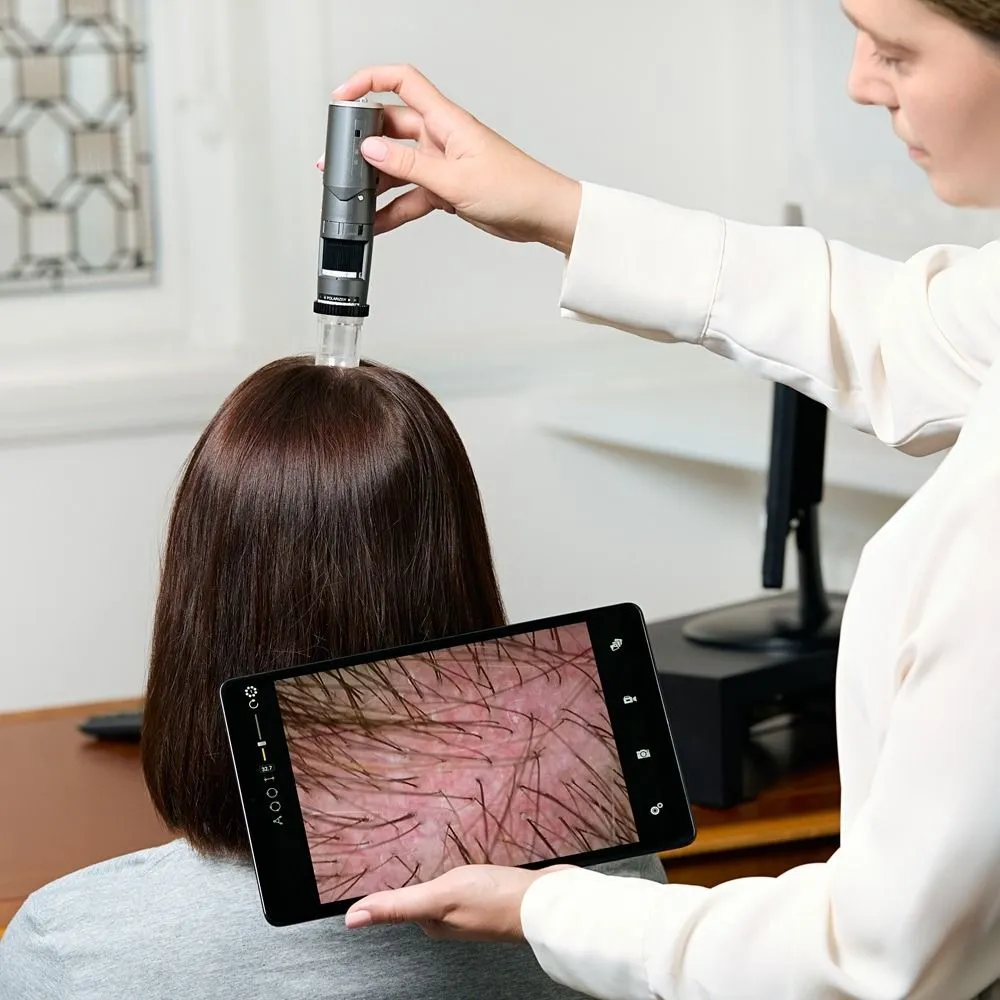
Types of Hair Transplantation Techniques A Complete Guide to Modern Hair Restoration
Hair loss is a common concern that affects both men and women, often impacting confidence and self-esteem. Thanks to advancements in medical technology, hair transplantation has become one of the most effective and permanent solutions for restoring natural hair growth. However, choosing the right technique is essential for achieving the best results.
In this blog, we’ll explore the different types of hair transplantation techniques, their benefits, and how to determine which option may be suitable for your needs.
1. Follicular Unit Extraction (FUE)
Follicular Unit Extraction (FUE) is one of the most popular hair transplant methods today. In this procedure, individual hair follicles are extracted from the donor area and implanted into the balding or thinning areas.
Benefits of FUE:
- Minimally invasive procedure
- No visible linear scar
- Faster healing time
- Natural-looking results
- Ideal for short hairstyles
FUE is suitable for patients looking for a less painful procedure with minimal downtime.
2. Follicular Unit Transplantation (FUT)
Follicular Unit Transplantation (FUT), also known as the strip method, involves removing a strip of skin from the donor area. Hair follicles are then separated under a microscope and transplanted into the recipient area.
Benefits of FUT:
- Can transplant a large number of grafts in one session
- Often more cost-effective
- High graft survival rate
- Suitable for advanced hair loss cases
Although FUT leaves a linear scar, it is usually hidden beneath longer hair.
3. Direct Hair Implantation (DHI)
Direct Hair Implantation (DHI) is an advanced version of FUE where extracted follicles are implanted directly using a specialized implantation pen.
Advantages of DHI:
- Greater precision during implantation
- Higher density results
- Reduced handling of hair follicles
- Faster recovery
- Minimal bleeding and scarring
DHI is often preferred by patients seeking highly natural hairlines.
4. Sapphire FUE Hair Transplant
Sapphire FUE uses sapphire blades instead of traditional steel blades to create recipient channels before implantation.
Key Benefits:
- Smaller and more precise incisions
- Less tissue damage
- Reduced swelling
- Faster healing
- Better graft placement
This technique offers improved comfort and enhanced cosmetic outcomes.
5. Robotic Hair Transplant
Robotic-assisted hair transplantation uses advanced AI-guided systems to assist surgeons in extracting hair follicles with greater precision.
Benefits:
- Improved accuracy
- Consistent graft extraction
- Reduced human error
- Faster procedure in selected cases
While robotic systems are highly advanced, surgeon expertise remains the most important factor.
Which Hair Transplant Technique Is Best?
There is no single technique that works for everyone. The ideal method depends on several factors:
- Extent of hair loss
- Donor hair availability
- Hair quality
- Budget
- Desired hair density
- Surgeon’s recommendation
A detailed consultation with a qualified hair transplant specialist can help determine the most suitable treatment plan.
Recovery After Hair Transplant
Most patients can return to normal activities within a few days. Complete hair growth follows a gradual process:
- First 2 weeks: Temporary shedding of transplanted hair
- 3–4 months: New hair starts growing
- 6 months: Noticeable improvement
- 9–12 months: Final natural-looking results
Following post-operative instructions carefully helps maximize success.
Conclusion
Modern hair transplantation techniques have transformed the way hair loss is treated. Whether you choose FUE, FUT, DHI, Sapphire FUE, or Robotic Hair Transplant, selecting an experienced specialist is the key to achieving safe, natural, and long-lasting results.
If you are experiencing hair thinning or baldness, consult a professional hair restoration expert to discuss the best technique for your individual needs and take the first step toward regaining your confidence.